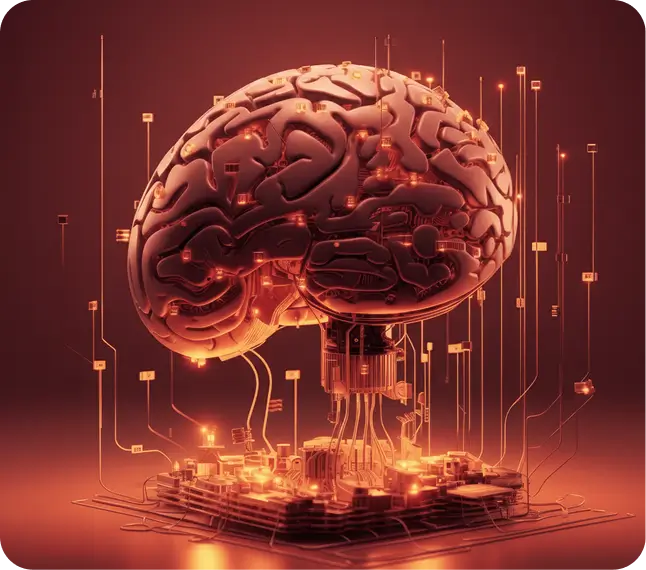







Artificial Intelligence (AI) is no longer just a futuristic concept; it is now a core component in modern software development. From code completion to automated testing, AI integration and assisted development tools are revolutionizing how developers work. These intelligent systems help programmers reduce repetitive tasks, accelerate workflows, and improve overall code quality.
At Compilex Technologies, we believe AI integration and assisted development are essential for developers looking to build powerful, scalable, and high‑quality applications. By leveraging AI tools, engineers can focus on problem-solving and creativity rather than tedious boilerplate coding.
In this article, we will explore key AI tools and techniques, benefits and challenges, real‑world use cases, and best practices for incorporating AI into software teams.
What Is AI-Assisted Development?
AI-assisted development refers to the use of artificial intelligence tools and systems to support developers during the coding process.
At Compilex Technologies, we use AI tools to accelerate development without sacrificing quality. These systems help developers make better decisions, reduce boilerplate code, and catch issues earlier in the lifecycle.
Key features of AI-assisted development include:
- Code Generation and Autocompletion: AI predicts and writes code snippets based on the context, significantly reducing manual typing.
- Error Detection and Refactoring: AI identifies bugs, security vulnerabilities, and suboptimal code structures.
- Test and Documentation Automation: AI generates test cases and documentation, saving hours of manual work.
The goal of AI integration is not to replace developers but to augment human capabilities, allowing software engineers to focus on design, architecture, and creative problem-solving.
Key AI Integration Areas in Development Workflows
AI-assisted development can be applied across several critical areas in the software lifecycle. Understanding these areas helps developers integrate AI tools strategically.
AI-Powered Code Generation and Autocompletion
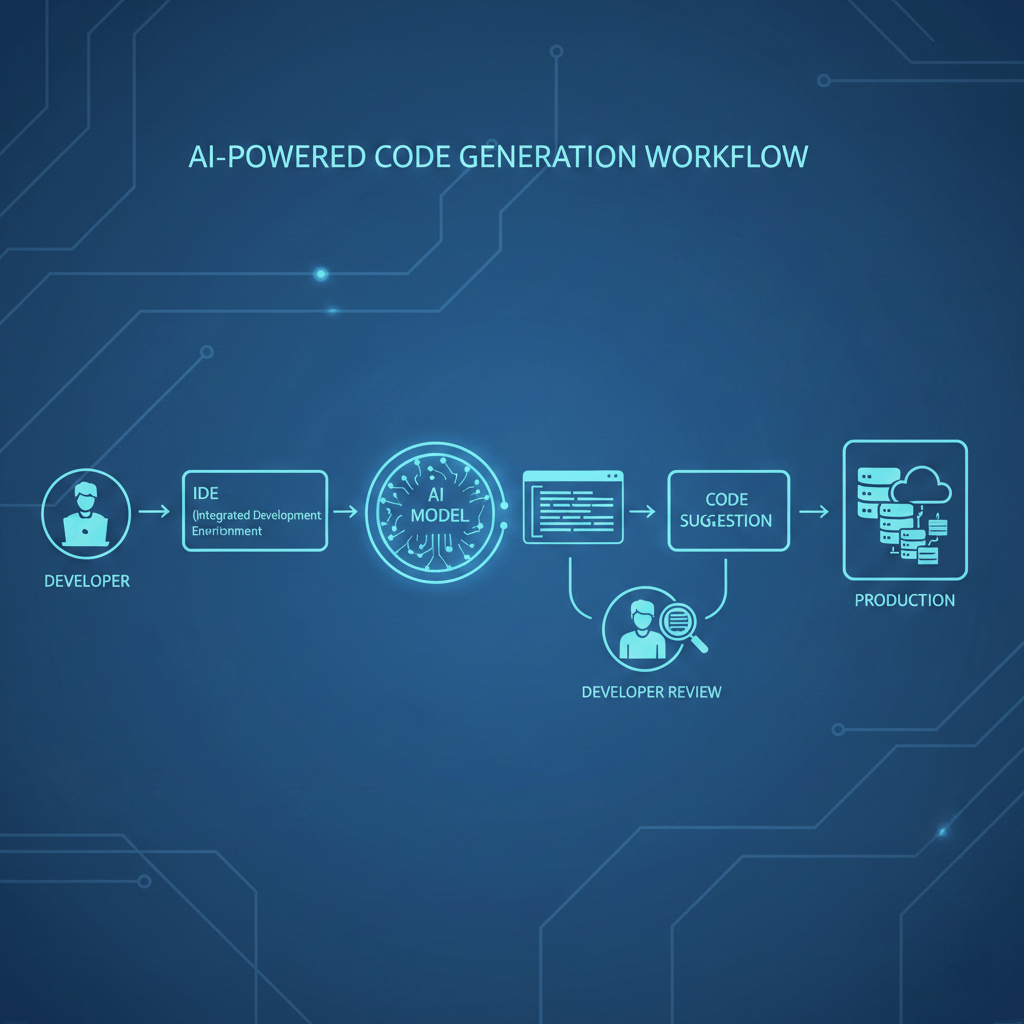
Modern IDEs like Visual Studio Code, IntelliJ, and tools like GitHub Copilot use AI to provide context-aware code suggestions. Developers can write code faster, minimize typos, and avoid common mistakes. AI can even generate entire functions based on comments or partial code snippets, reducing boilerplate work significantly.
Benefits include:
- Improved developer productivity with AI
- Faster development cycles
- Reduced repetitive coding
AI for Debugging, Code Review, and Refactoring
AI tools can perform static code analysis and detect errors before they occur. These systems identify potential bugs, security vulnerabilities, and performance issues. Some platforms even provide suggested fixes and refactoring recommendations, allowing developers to maintain clean, efficient, and secure codebases.
Example Tools:
- DeepCode (AI code review)
- SonarQube with AI plugins
- Codacy and CodeGuru for automated refactoring
For companies like Compilex Technologies that prioritize code quality, AI‑assisted review tools help maintain consistent standards, especially in large teams or distributed environments.
AI-Driven Test Case and Documentation Generation
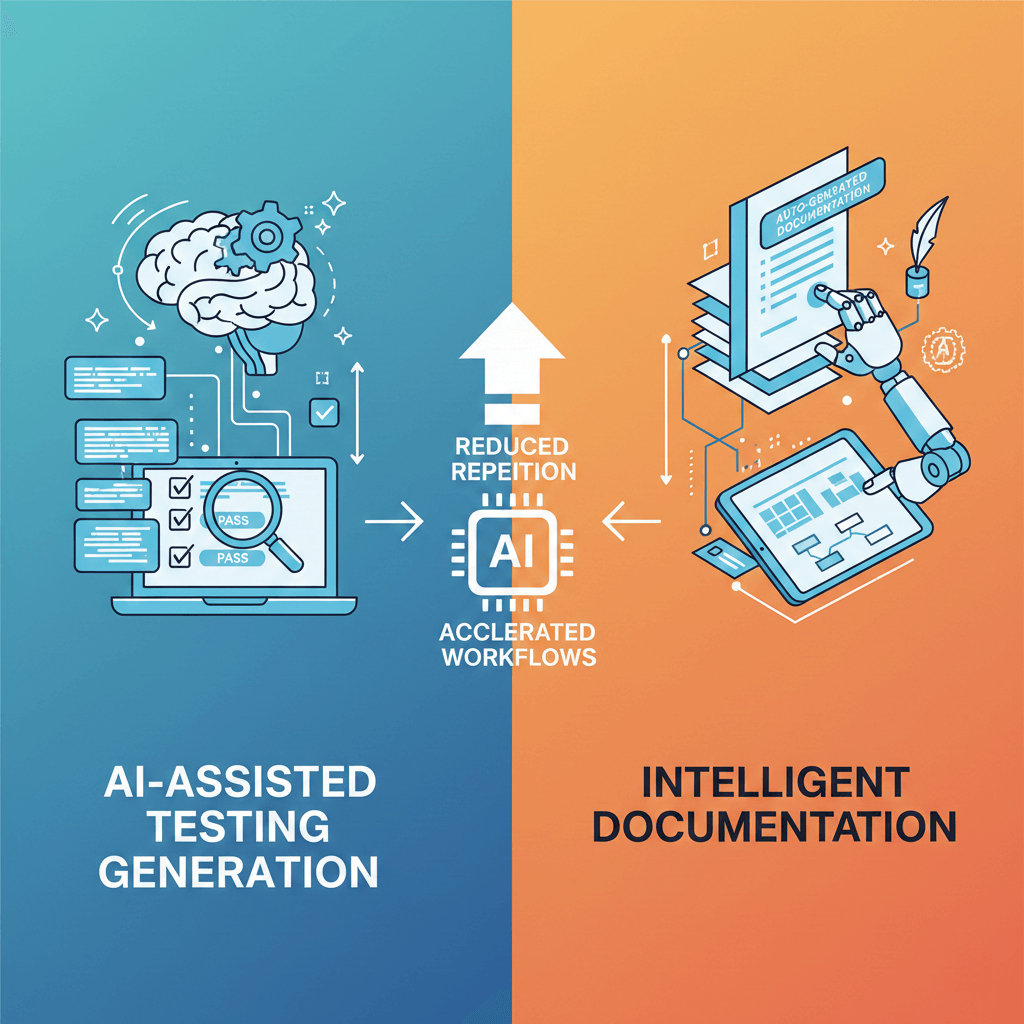
Writing unit tests and documentation is often repetitive and time-consuming. AI-assisted development tools can automatically generate test cases for existing code and create documentation that explains code logic in plain language. This not only saves time but also ensures consistency and accuracy.
Benefits:
- Reduced documentation errors
- Faster QA cycles
- Better code coverage
Popular AI Tools Used in Assisted Development
There is a growing ecosystem of AI-powered development tools that cater to different stages of the software lifecycle:
IDE-Based Assistants:
Tools like GitHub Copilot, TabNine, and Kite integrate directly into IDEs for real-time code suggestions.API-Based AI Integrations:
OpenAI Codex or GPT-powered APIs can be integrated into custom development environments to automate tasks like code generation or documentation.AI in CI/CD Pipelines:
AI can analyze pull requests, perform automatic testing, and detect anomalies before deployment, improving overall pipeline efficiency.
By selecting the right combination of AI tools, teams can maximize productivity while minimizing errors.
Benefits of AI Integration for Developers
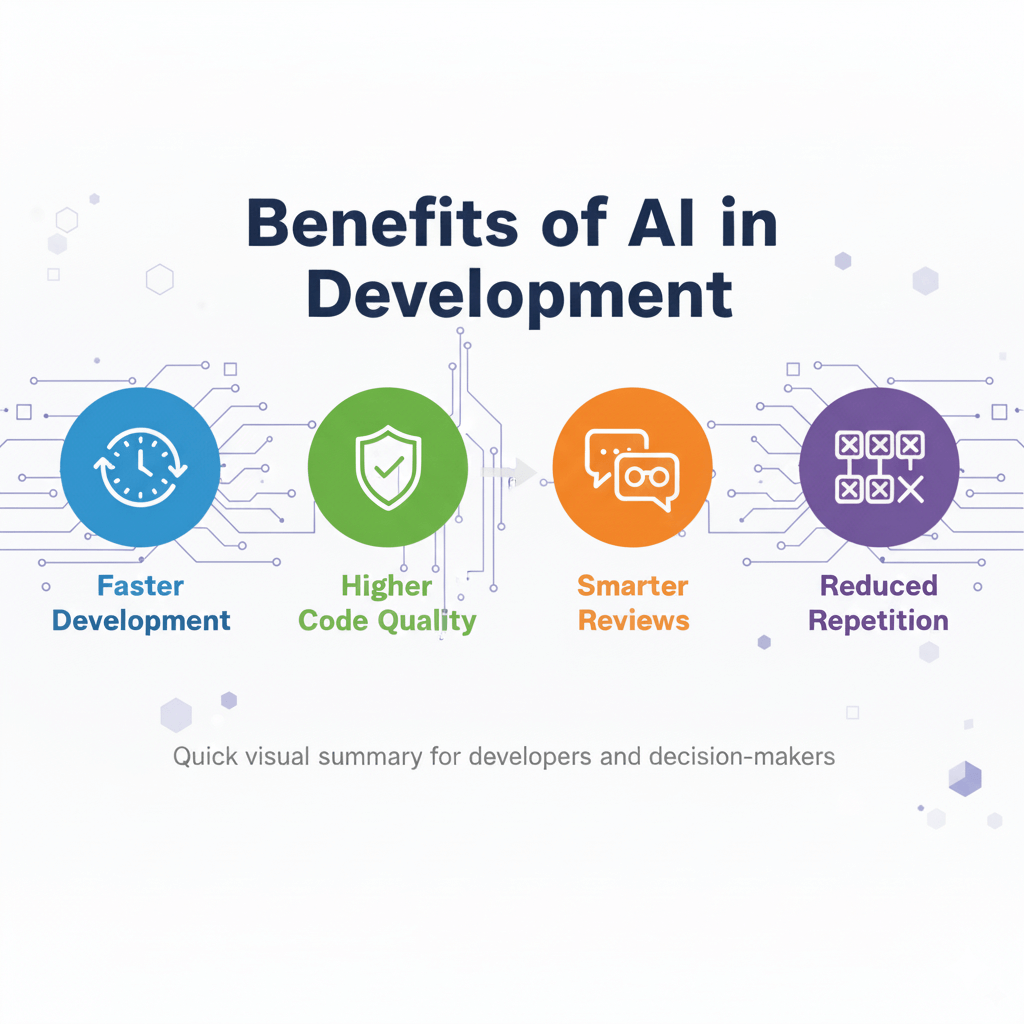
Adopting AI-assisted development tools brings numerous advantages:
- Reduced Cognitive Load: Developers can focus on creative problem-solving rather than mundane tasks.
- Faster Development Cycles: AI reduces repetitive tasks and accelerates coding.
- Improved Code Quality: AI tools identify bugs, security issues, and performance bottlenecks.
- Enhanced Collaboration: Teams can rely on AI-generated suggestions to maintain consistent coding standards.
In short, AI integration boosts developer productivity with AI and makes software engineering more efficient and enjoyable.
Challenges and Risks of AI-Assisted Development
While AI-assisted development is transformative, it comes with potential challenges:
- Code Hallucinations: AI can generate incorrect or insecure code that requires human review.
- Security and Privacy Concerns: Sensitive code should not be exposed to external AI services without safeguards.
- Over-Reliance on AI Tools: Excessive dependence can erode developer skills and critical thinking.
- Cost and Performance Issues: High-quality custom AI development may require subscription costs or cloud resources.
Addressing these challenges requires careful human-in-the-loop workflows and adherence to best practices.
Best Practices for Implementing AI in Development
To leverage AI effectively, developers should follow these guidelines:
Human-in-the-Loop:
Always review AI-generated code to ensure correctness and security.Validation and Testing:
Treat AI-generated code as a starting point; run comprehensive tests.Secure Usage:
Avoid exposing sensitive data to external AI platforms.Prompt Engineering:
Provide clear and specific prompts for better code suggestions.Incremental Adoption:
Start with small tasks like autocompletion or test generation before integrating AI across the pipeline.
Following these practices ensures that AI integration enhances productivity without introducing risks.
Future of AI Integration and Assisted Development
The future of software development will be increasingly AI-driven:
- Autonomous Development Agents: AI could write, test, and deploy code with minimal human intervention.
- AI-Native Frameworks: New frameworks may include built-in AI support for development, testing, and deployment.
- Enhanced Collaboration: AI assistants may facilitate better collaboration across distributed teams by providing real-time guidance.
Developers who adopt AI-assisted development today will be well-positioned for the next wave of intelligent software engineering.

Conclusion
AI integration and assisted development are reshaping the way developers write software. By leveraging AI-powered development tools, engineers can code faster, improve quality, and focus on innovation. While challenges such as security risks and AI hallucinations exist, human oversight and best practices ensure safe and effective adoption.
Modern developers who embrace AI integration will enjoy enhanced productivity, reduced repetitive work, and a competitive edge in the rapidly evolving software landscape.
Start embracing AI with Compilex Technologies to boost productivity and future-proof your development workflows.