



In today’s digital landscape, streaming services have revolutionized how audiences consume content. From movies and live sports to webinars and music, streaming is central to modern entertainment and education.
As streaming platforms increasingly move to the cloud for enhanced scalability, flexibility, and cost-efficiency, securing streaming services in the cloud has become a top priority for businesses.
This guide explores how to safeguard your streaming platform security and protect your valuable content with proven cloud security solutions and cloud security best practices.
Why Streaming Cloud Security is Essential
Cloud-based streaming services bring many benefits such as accessibility, reduced infrastructure costs, and easy scaling. However, they also come with unique security challenges. The rise in demand for streaming content, coupled with the increasing sophistication of cyber-attacks, means your platform is a prime target for malicious actors.
Streaming cloud security refers to the strategic measures taken to protect your cloud infrastructure, content, and user data. This includes everything from securing the streaming platform security to implementing technologies that protect streaming content and prevent unauthorized access.
Common Security Threats in Streaming Platforms
Understanding potential risks is the first step in designing secure streaming services.
1. Content Piracy and Illegal Redistribution
Unauthorized screen recording, stream ripping, and credential sharing directly impact revenue. Protecting intellectual property is one of the biggest priorities in Streaming Cloud Security.
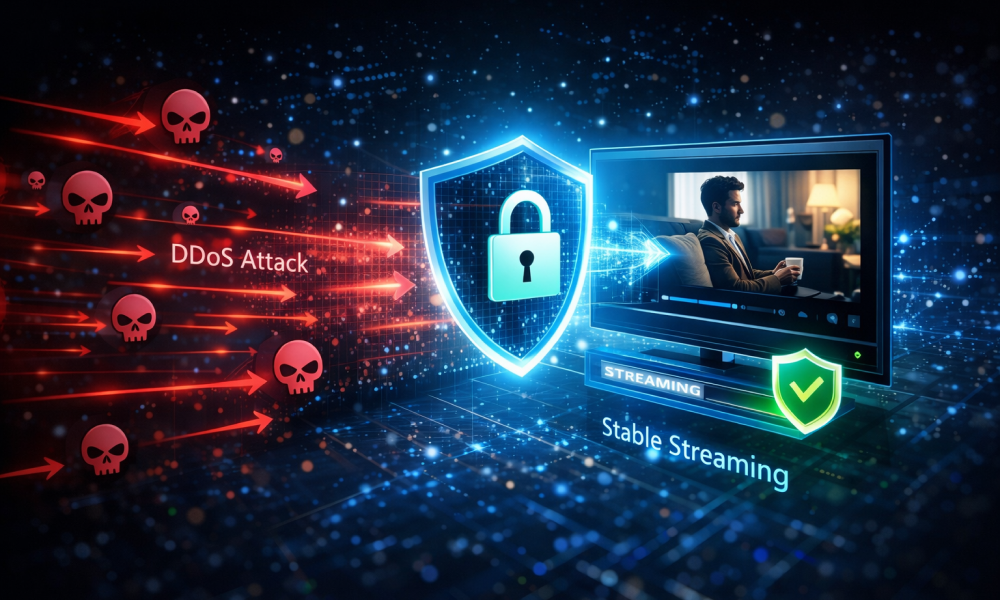
2. Distributed Denial-of-Service (DDoS) Attacks
DDoS attacks overwhelm servers with malicious traffic, causing outages during critical live events. This damages brand reputation and customer loyalty.
3. Account Takeover (ATO)
Weak passwords and insufficient authentication allow attackers to hijack accounts and access premium content.
4. Data Breaches
Improperly secured databases or storage buckets in the cloud can expose user information.
5. API Exploits
Streaming platforms rely heavily on APIs. Insecure APIs can provide entry points for attackers.
Cloud Security Solutions for Secure Streaming Services
To address these risks, it is critical to leverage advanced cloud security solutions to safeguard your streaming platform security. These solutions can help you prevent unauthorized access, protect content, and ensure compliance with regulatory standards.
Here are some essential cloud security solutions for secure streaming services:
Encryption:
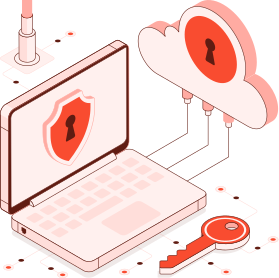
Encryption protects both streaming content and user data by encoding information so that it can only be read by authorized parties. Implement end-to-end encryption (e.g., AES-256) to safeguard your content both during transmission and when stored in the cloud.
Digital Rights Management (DRM):
DRM technologies help prevent unauthorized redistribution of content. By implementing DRM, you can control who can access specific content, how it can be viewed, and prevent unauthorized downloads.
Multi-Factor Authentication (MFA):
MFA adds an additional layer of security to your streaming platform by requiring users to verify their identity through multiple methods (e.g., passwords, biometric data, or security tokens) before gaining access to content.
Role-Based Access Control (RBAC):
RBAC allows you to control who can access specific information or perform certain actions based on their role. By restricting access to sensitive data, you limit potential risks from internal and external threats.
API Security:
Streaming platforms often integrate with third-party APIs for added functionality. Securing these APIs with robust encryption and security protocols such as OAuth ensures they remain safe from unauthorized access.
Real-Time Monitoring and Logging:
Implement real-time monitoring tools to detect suspicious activity and security breaches immediately. Continuous logging helps track who accessed content, detect anomalies, and audit security incidents.
Key Considerations for Streaming Platform Security
When securing your streaming platform, it’s vital to ensure that the entire system is safe and resilient. Streaming platform security involves protecting the infrastructure, user data, and the content itself.
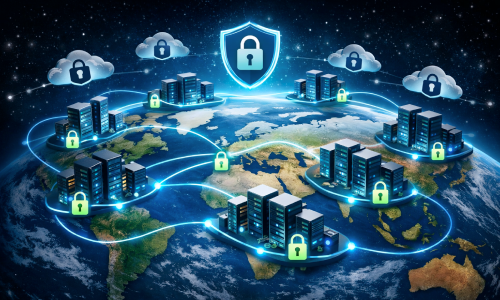
- Scalability and Flexibility: Cloud services like AWS, Azure, and Google Cloud offer scalable infrastructure. This flexibility allows you to implement security measures as you scale your service to meet growing demand.
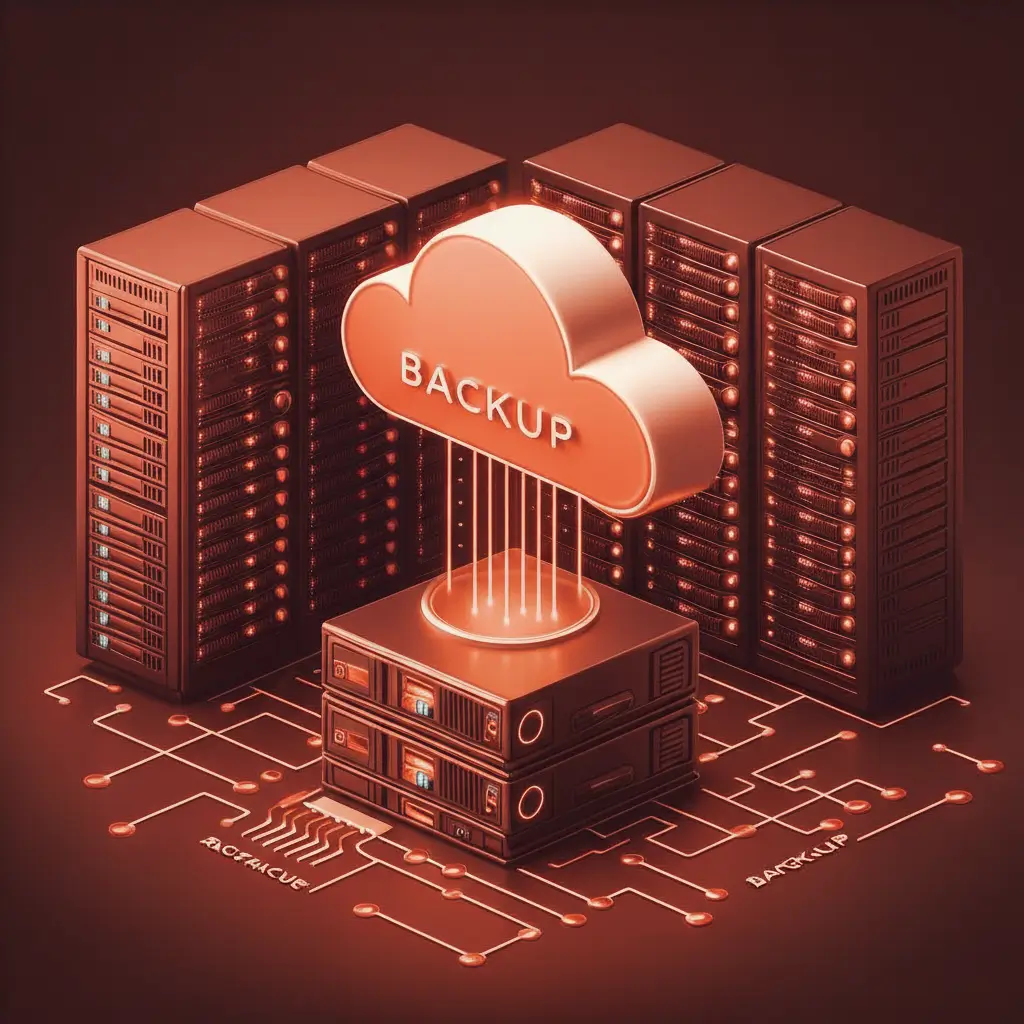
- Redundancy and Backup Systems: Implement redundant systems and backups to ensure your platform remains operational in case of an attack or technical failure. Backup critical data regularly to minimize the impact of any security breach.
- Penetration Testing: Regularly conduct penetration testing to identify vulnerabilities in your platform’s security. Testing your system proactively helps to patch security gaps before attackers can exploit them.
- Compliance with Regulations: Your streaming service must adhere to industry regulations such as GDPR, CCPA, and PCI DSS. Ensuring compliance not only builds trust but also prevents hefty fines for violating data protection laws.
Cloud Security Best Practices for Streaming Services
To further enhance cloud security and protect your users, follow these cloud security best practices:
Enforce Strong Password Policies:
Strong passwords that include a combination of uppercase letters, lowercase letters, numbers, and special characters are essential to safeguard user accounts. Additionally, require users to update passwords periodically.
Implement Data Encryption:
Data encryption should be applied both at rest (when stored) and in transit (when transmitted). This prevents hackers from accessing your content or user data, even if they manage to intercept it.
Stay Up to Date with Patches and Updates:
Continuously update your system, applications, and software. Attackers often target outdated systems with known vulnerabilities, so regular patching is a critical part of streaming platform security.
Enable Continuous Security Monitoring:
Set up automated monitoring to detect any suspicious activity in real time. Alerts can help you respond to potential breaches quickly, preventing further damage.
Security Awareness Training:
Regularly train your staff on cloud security best practices, phishing attacks, and other social engineering threats. Empowering your team with the knowledge to identify potential threats is one of the most effective ways to prevent security incidents.
Why Choose the Right Technology Partner
Building and maintaining secure streaming services requires deep expertise in architecture, cybersecurity, and cloud environments.
At Compilex Technologies, we design and implement advanced cloud security solutions tailored for streaming platforms. Our team ensures:
- Secure content architecture
- End-to-end encryption strategies
- Robust access control systems
- Continuous monitoring and threat detection
- Compliance-ready cloud infrastructure
We help businesses protect streaming content while delivering seamless, high-performance user experiences.
Conclusion
Securing streaming services in the cloud is essential to protecting your content, user data, and business reputation. By adopting cloud security solutions like encryption, DRM, and multi-factor authentication, you can significantly reduce the risk of data breaches, piracy, and unauthorized access.
At Compilex Technologies, we specialize in providing secure streaming services with tailored cloud security solutions designed to meet the unique needs of your platform.
Get in touch with us today to learn more about how we can help you secure your streaming platform security and deliver seamless, protected experiences for your users.