








As businesses continue to embrace digital transformation, cloud migration has become more than just an IT initiative – it is a strategic investment that drives growth, innovation, and long-term efficiency. Organizations of all sizes are moving away from traditional on-premises infrastructure to cloud environments that offer greater flexibility, security, and cost savings.
However, a successful cloud migration requires more than simply transferring applications and data. It demands careful planning, the right migration strategy, and experienced cloud migration services to minimize downtime, protect sensitive information, and ensure business continuity.
In this guide, we’ll explore how cloud migration services help businesses reduce operational costs, strengthen cybersecurity, improve performance, and build scalable IT infrastructure for the future.
What Are Cloud Migration Services?
Cloud migration services involve planning, managing, and executing the process of moving applications, databases, workloads, and digital assets from on-premises infrastructure or legacy systems to cloud platforms such as Amazon Web Services (AWS), Microsoft Azure, Google Cloud Platform (GCP), or hybrid and multi-cloud environments.
Professional cloud migration solutions also include infrastructure assessment, application modernization, cloud architecture design, security implementation, testing, performance optimization, and ongoing cloud management. This comprehensive approach ensures organizations gain maximum value from their cloud investment while maintaining compliance and protecting critical business data.
Why Businesses Are Moving to the Cloud in 2026
Digital transformation is reshaping every industry. Customers expect faster services, employees need remote accessibility, and businesses require infrastructure that can adapt to changing demands.

Traditional servers often struggle with:
- High maintenance costs
- Limited scalability
- Hardware failures
- Security vulnerabilities
- Disaster recovery challenges
- Slow deployment cycles
Cloud migration eliminates these challenges by providing flexible, secure, and highly available cloud environments that grow with your business.
Whether you’re a startup or an enterprise, cloud infrastructure enables your organization to remain competitive while supporting innovation.
Key Benefits of Cloud Migration Services
- Reduce IT Infrastructure Costs
Cloud migration services help businesses lower IT expenses by replacing costly on-premises infrastructure with a flexible pay-as-you-go model. This reduces hardware, maintenance, and operational costs while improving resource efficiency. - Improve Security and Data Protection
Cloud platforms provide advanced security features such as data encryption, access controls, and continuous monitoring. Professional cloud migration services ensure your data remains protected while meeting industry compliance standards. - Scale Resources on Demand
Cloud infrastructure allows businesses to quickly scale resources up or down based on demand. This flexibility supports business growth, improves performance, and eliminates the need for expensive hardware upgrades. - Enhance Business Continuity and Disaster Recovery
Cloud migration improves business continuity through automated backups, data replication, and disaster recovery solutions. These capabilities minimize downtime and help businesses recover quickly from unexpected disruptions. - Increase Business Agility
By moving to the cloud, businesses can deploy applications faster, improve team collaboration, and respond quickly to changing market demands. This enables greater innovation and long-term business growth.
The Cloud Migration Process
A successful cloud migration follows a structured process to ensure minimal disruption, improved security, and long-term performance.
1. Cloud Readiness Assessment
The migration journey begins with assessing your existing infrastructure, applications, workloads, and business goals. This helps identify potential risks, security requirements, and the best approach for a successful cloud migration.

2. Migration Strategy Planning
Based on the assessment, a tailored cloud migration strategy is developed. Whether it’s rehosting, replatforming, or modernizing applications, choosing the right approach ensures a smooth and efficient transition.
3. Secure Data Migration
Business data and applications are securely transferred to the cloud using encrypted migration tools and proven best practices. This minimizes downtime while maintaining data integrity and compliance.
4. Testing and Optimization
After migration, applications are thoroughly tested to verify performance, security, and compatibility. Any necessary optimizations are made to ensure the cloud environment operates efficiently.
5. Continuous Monitoring and Management
Cloud migration doesn’t end after deployment. Continuous monitoring, performance optimization, security updates, and proactive maintenance help keep your cloud infrastructure secure, reliable, and cost-efficient.
Best Practices for Successful Cloud Migration
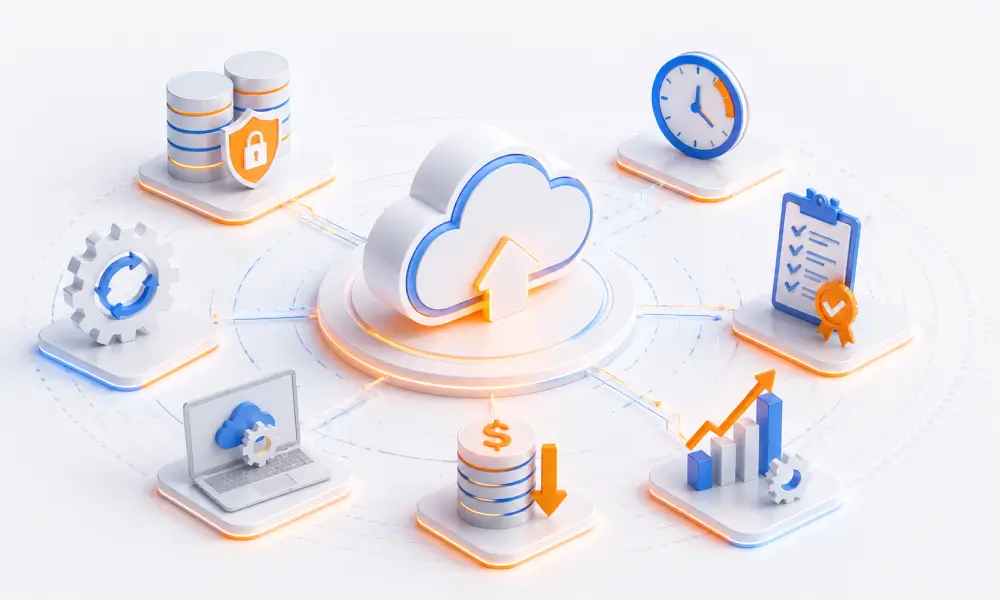
To maximize the benefits of cloud migration, businesses should follow these proven best practices:
- Define Clear Business Goals
Identify what you want to achieve, whether it’s cost reduction, scalability, security, or improved performance. - Conduct a Cloud Assessment
Understand your current infrastructure before beginning the migration process. - Prioritize Security
Implement encryption, access controls, identity management, and continuous monitoring from day one. - Migrate in Phases
Avoid migrating every application simultaneously. A phased migration reduces business risk. - Monitor Performance Continuously
Track application performance, cloud costs, and resource utilization after migration. - Choose the Right Cloud Partner
Working with experienced cloud migration specialists ensures a smoother, faster, and more secure transition.
Why Choose Compilex Technologies for Cloud Migration Services?
At Compilex Technologies, we help businesses modernize their IT infrastructure with secure, reliable, and scalable cloud migration solutions. Our cloud experts work closely with your team to design a migration strategy that aligns with your business goals while minimizing operational disruption.
Our cloud migration services include:
- Cloud readiness assessments
- End-to-end migration planning
- Application and database migration
- AWS, Microsoft Azure, and Google Cloud migration
- Hybrid and multi-cloud solutions
- Cloud security implementation
- Disaster recovery planning
- Managed cloud support and optimization
Whether you’re migrating a single application or transforming your entire infrastructure, we deliver solutions that improve performance, enhance security, and optimize long-term cloud costs.
Conclusion
Cloud migration is no longer just a technology upgrade – it is a business strategy that enables organizations to reduce costs, improve security, increase scalability, and accelerate innovation.
With the right cloud migration services, businesses can modernize legacy infrastructure, improve operational efficiency, and build a future-ready IT environment that supports long-term growth.
If you’re planning to move to the cloud, partnering with experienced cloud migration experts can help you minimize risk, avoid costly mistakes, and achieve a seamless transition.
Compilex Technologies is committed to helping businesses navigate every stage of their cloud journey with secure, scalable, and cost-effective cloud migration solutions designed for success in 2026 and beyond.