








Businesses today are constantly looking for ways to improve efficiency, reduce operational costs, and build technology systems that can support future growth. Traditional IT infrastructure often creates challenges such as expensive maintenance, limited scalability, security risks, and slow innovation. This is why organizations are adopting a cloud migration strategy to modernize their infrastructure and improve overall business performance.
Cloud migration is more than just moving applications and data to the cloud. A successful strategy helps businesses optimize resources, enhance security, improve scalability, and create a flexible digital environment that supports long-term growth.
What Is a Cloud Migration Strategy?
A cloud migration strategy is a planned approach for moving business applications, data, workloads, and IT operations from traditional on-premises infrastructure to cloud-based platforms.
A strong migration strategy focuses on understanding business goals, evaluating existing systems, selecting the right cloud environment, and ensuring a secure transition with minimal disruption. Key components of an effective cloud migration strategy include:
- Cloud readiness assessment
- Application and workload analysis
- Data migration planning
- Cloud architecture design
- Security implementation
- Performance monitoring
- Continuous optimization
By following a structured approach, businesses can avoid common migration challenges and maximize the benefits of cloud technology.
Why Businesses Are Moving to the Cloud
Cloud computing has become an essential part of digital transformation. Companies across industries are adopting cloud solutions because they provide greater flexibility, reliability, and cost efficiency compared to traditional infrastructure.

- Improved Scalability and Flexibility
One of the biggest advantages of cloud migration is the ability to scale resources according to business needs. Traditional servers often require companies to invest in additional hardware before growth occurs, leading to unnecessary expenses.
Cloud platforms allow businesses to increase or decrease computing resources based on demand. This flexibility helps organizations manage traffic spikes, support business expansion, and improve operational efficiency. - Reduced Costs Through Cloud Optimization
Moving to the cloud can help businesses reduce expenses related to hardware, maintenance, and infrastructure management. However, achieving real cost savings requires proper planning and ongoing optimization.
Cloud optimization services help organizations monitor their cloud usage, remove unnecessary resources, improve performance, and control cloud spending. Effective cloud cost optimization strategies include:
- Monitoring resource consumption
- Automating workload management
- Eliminating unused resources
- Improving infrastructure efficiency
Benefits of Cloud Migration and Optimization
A successful cloud migration strategy delivers several benefits that help businesses remain competitive.
- Better Application Performance
Cloud environments provide advanced computing capabilities, faster processing, and improved reliability. By optimizing workloads and using modern cloud architectures, businesses can deliver faster and more responsive applications.
Cloud performance optimization ensures systems continue operating efficiently while supporting changing business requirements. - Enhanced Security and Data Protection
Security is a critical factor when migrating business data and applications. Modern cloud platforms offer advanced security features such as encryption, identity management, access control, and continuous monitoring.
A secure cloud migration approach helps businesses protect sensitive information and maintain compliance with industry standards. - Improved Business Continuity
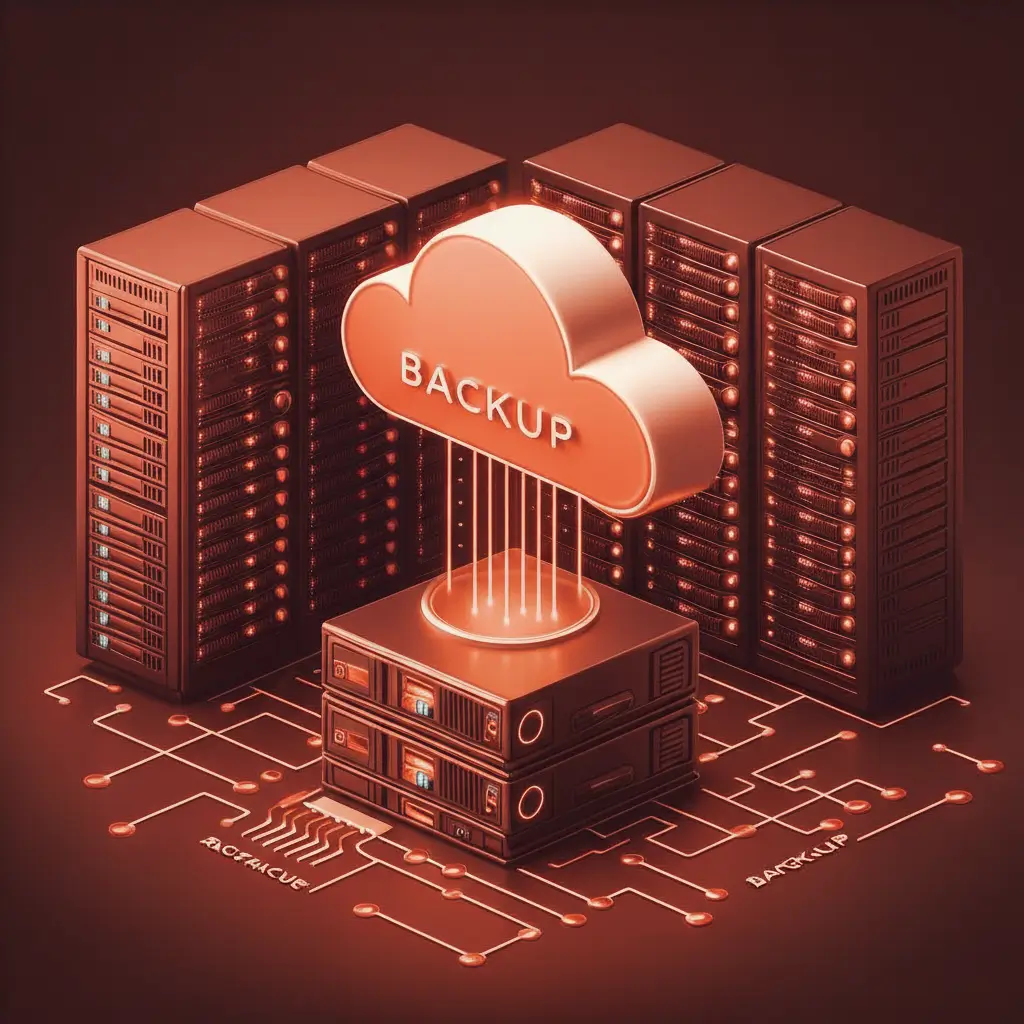
Unexpected downtime can impact productivity and customer experience. Cloud solutions support business continuity through automated backups, disaster recovery solutions, and reliable infrastructure.
With proper cloud architecture, organizations can quickly recover from disruptions and maintain smooth operations. - Faster Innovation
Cloud technology enables businesses to develop, test, and deploy applications faster. Through automation, DevOps practices, and cloud-native solutions, companies can respond quickly to market changes and customer demands.
Key Steps in the Cloud Migration Process
A successful migration requires proper planning and execution. The following steps help businesses achieve a smooth transition:

- Analyze Existing Infrastructure
Before migration, businesses need to evaluate their current applications, workloads, and infrastructure. A cloud readiness assessment helps identify which systems are suitable for migration and where improvements are required. - Select the Right Cloud Environment
Organizations can choose different cloud models based on their requirements, including:
- Public cloud
- Private cloud
- Hybrid cloud
- Multi-cloud solutions
The right choice depends on factors such as security, performance, compliance, and budget.
- Plan Application and Data Migration
Applications and data require careful planning to ensure a secure transfer. Businesses must decide whether applications should be migrated directly, modernized, or redesigned for cloud environments.
A well-planned data migration strategy reduces risks and prevents operational disruptions. - Monitor and Optimize After Migration
Cloud migration does not end after deployment. Continuous monitoring and optimization are necessary to maintain performance, security, and cost efficiency.
Regular cloud optimization helps businesses improve resource utilization and support future growth.
Common Cloud Migration Challenges
Although cloud migration offers many advantages, businesses may face challenges without proper expertise. Common issues include:
- Data security concerns
- Application compatibility problems
- Migration downtime
- Poor resource management
- Unexpected cloud costs
Partnering with experienced cloud migration specialists helps organizations overcome these challenges and achieve successful cloud transformation.
Why Choose Compilex Technologies for Cloud Migration?
Compilex Technologies helps businesses modernize their IT infrastructure with secure and scalable cloud migration services. From cloud assessment and migration planning to optimization and ongoing support, Compilex delivers solutions designed around business goals.

With expertise in cloud infrastructure optimization, application migration, and secure cloud environments, Compilex Technologies helps organizations improve efficiency, reduce costs, and build future-ready digital systems.
Conclusion
A successful cloud migration strategy allows businesses to reduce operational expenses, improve performance, strengthen security, and prepare for future growth. Cloud migration is not only about moving technology to the cloud – it is about creating a smarter and more efficient business infrastructure.
With the right strategy, optimization approach, and technology partner, organizations can unlock the full potential of cloud computing and accelerate digital transformation. Compilex Technologies supports businesses in achieving secure, scalable, and performance-driven cloud solutions.