








In today’s fast-paced development cycle, QA software testing often takes a backseat to speed and innovation. However, releasing apps without thorough testing is a major risk that many businesses overlook, leading to costly bugs, crashes, and poor user experiences. Whether you’re a startup or an enterprise, the importance of QA testing services cannot be underestimated in 2026.
But why are modern apps failing even when they’re launched with high expectations? Let’s dive into why QA testing is essential to ensure your app doesn’t face these issues, and how you can avoid the major pitfalls that could impact your product’s success.
What Happens If You Skip QA Testing in Modern Apps?
In 2026, the demand for high-quality, bug-free apps is greater than ever. Users are impatient, and even small bugs can lead to big losses. Here’s how failing to incorporate QA testing into your development cycle can impact your business:
Software Bugs & Crashes
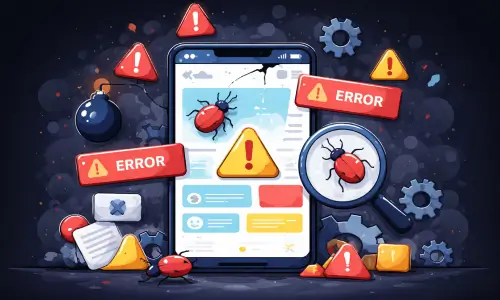
One of the most common issues businesses face when they don’t prioritize testing is software bugs. These bugs can lead to app crashes, frustrating users, and ultimately driving them away. In fact, 73% of users will abandon an app after just two crashes. Without QA software testing, these issues can easily slip through the cracks during development.
Poor User Experience (UX)
An app may function properly on paper but fail to meet user expectations in terms of design, usability, or performance. A poorly tested app often leads to a subpar user experience, which affects customer satisfaction and retention.
Security Vulnerabilities
With data breaches on the rise, security testing is crucial. Security testing services help identify vulnerabilities before they can be exploited by hackers. Without this crucial testing, your app becomes susceptible to attacks, potentially compromising your users’ data and trust.
Increased Development Costs
Catching bugs and issues early during the QA process can significantly reduce the cost of fixing them later. When bugs are detected after release, the cost of fixing them increases exponentially. Software testing services catch problems before they spiral into expensive issues.
Delayed Time-to-Market
Contrary to popular belief, skipping QA testing doesn’t always speed up development. Bugs and crashes that go unnoticed during development can lead to major delays after the app is released, as fixing these issues post-launch takes more time and resources.
The Role of QA Testing Services in Modern Development
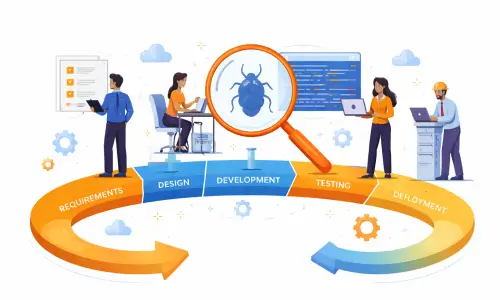
In today’s fast-paced software development landscape, QA testing services play a critical role in ensuring that apps function seamlessly across all platforms and devices. Gone are the days when testing was merely an afterthought. QA is now integrated throughout the development lifecycle to ensure that bugs, performance issues, and security vulnerabilities are identified and addressed early. With the rise of automation and shift-left testing, QA services help developers catch issues long before they reach end-users.
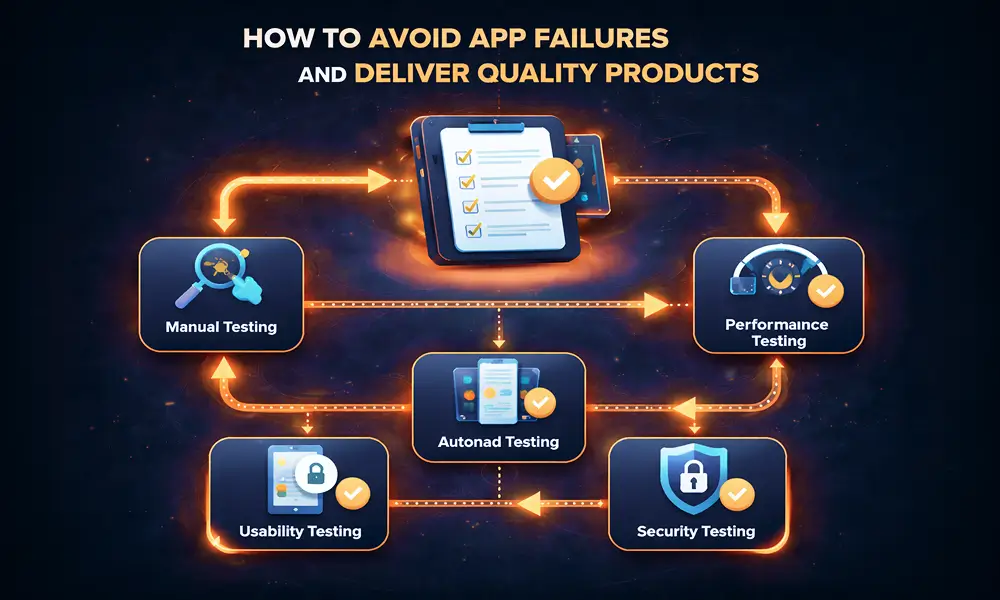
Whether it’s automated software testing for efficiency or manual testing for more complex, user-focused checks, a comprehensive QA strategy ensures that apps meet both performance and user experience standards. By identifying issues early, QA testing services not only prevent costly post-launch fixes but also safeguard user trust and brand reputation, making it an indispensable part of modern development.
How to Avoid App Failures and Deliver Quality Products
To avoid the pitfalls mentioned above, here’s how you can implement effective QA software testing practices for your app:
- Adopt a Shift-Left Approach
Shift-left testing is the practice of integrating QA testing early in the development cycle. By shifting testing left, teams can identify and resolve issues much sooner, reducing the risk of costly post-launch fixes. Starting QA testing during the design phase, rather than after development is complete, ensures that defects are detected and corrected early. - Implement Continuous Integration and Continuous Testing
As apps become more complex, CI/CD pipelines have become essential for modern development. Automated tests integrated into these pipelines help to ensure that every change pushed to the codebase is tested thoroughly, providing real-time feedback on issues. This approach accelerates development without sacrificing quality. - Use Real Devices for Testing
While simulators are useful, testing your app on real devices ensures a more accurate understanding of its performance and usability. Services like BrowserStack allow you to test your app across a wide range of devices and browsers to ensure it works seamlessly for every user.
QA Testing Is a Must for Modern Development
In 2026, launching a high-quality app is no longer optional – it’s essential for survival in a competitive market. Without proper QA software testing, your app is at risk of performance failures, security vulnerabilities, and poor user satisfaction.
At Compilex Technologies, we understand the importance of reliable, secure, and scalable apps. Our QA software testing services ensure your product is thoroughly tested across all devices and platforms, helping you deliver seamless experiences that users love.
Ready to launch a bug-free app? Let Compilex Technologies handle your QA software testing so you can focus on what matters most – growing your business. Contact Us today for a free consultation.